AI for Everyone
The Quiet AI Skill South Africans Cannot Ignore
AI is no longer only for programmers. From Cape Town to Limpopo, ordinary South Africans can use LLMs to write better, plan faster, sell smarter, and solve real business problems.
By AfroIntelligent - 5/16/2026
Most people think artificial intelligence is only for engineers, programmers, or big companies with money.
That is no longer true.
Today, one of the most important skills a person can learn is how to use Large Language Models, also called LLMs. These are AI tools that can help you write, plan, explain, research, organize ideas, create content, and solve problems faster.
But here is the part many people miss: using AI is not magic. It is a skill.
Just like learning how to use a phone, email, WhatsApp, Excel, Google, or social media, AI becomes powerful when you know how to ask it the right questions.
A person who knows how to use AI properly can do more in less time. They can write better messages. They can prepare business proposals. They can create adverts. They can explain difficult topics in simple language. They can plan a project, improve customer service, and even generate ideas for a new business.
This matters especially in South Africa.
We are a country full of talent, creativity, and problems that need solutions. We have entrepreneurs in the Eastern Cape, Free State, Gauteng, KwaZulu-Natal, Limpopo, Mpumalanga, Northern Cape, North West, and Western Cape who are building, selling, fixing, teaching, farming, transporting, designing, and serving people every day.
Technology should not only belong to big cities or big companies.
A young person in a rural area should be able to use AI to create a CV, write a business plan, prepare for an interview, or learn coding step by step.
A small business owner in Mpumalanga should be able to use AI to write better Facebook posts, reply to customers professionally, and plan stock.
A taxi owner in Gauteng should be able to use AI to organize bookings, track expenses, and communicate better with clients.
A farmer in Limpopo should be able to use AI to understand market prices, write supplier messages, and plan operations.
A tourism business in the Western Cape should be able to use AI to create travel packages, translate messages, and answer customer questions quickly.
A salon owner in KwaZulu-Natal should be able to use AI to create price lists, promotions, appointment reminders, and client messages.
A student in the Eastern Cape should be able to use AI to understand difficult schoolwork without feeling left behind.
A community project in the Northern Cape should be able to use AI to write funding applications and organize reports.
A small shop owner in the Free State should be able to improve product descriptions, promotions, and customer communication.
A delivery business in North West should be able to use AI to plan routes, write invoices, and improve service updates.
This is how South Africa’s tech start can become real: not by waiting for perfect conditions, but by teaching ordinary people how to use technology in practical ways.
The future is not only about people who can code.
The future is also about people who can think clearly, ask better questions, use the right tools, and solve real problems.
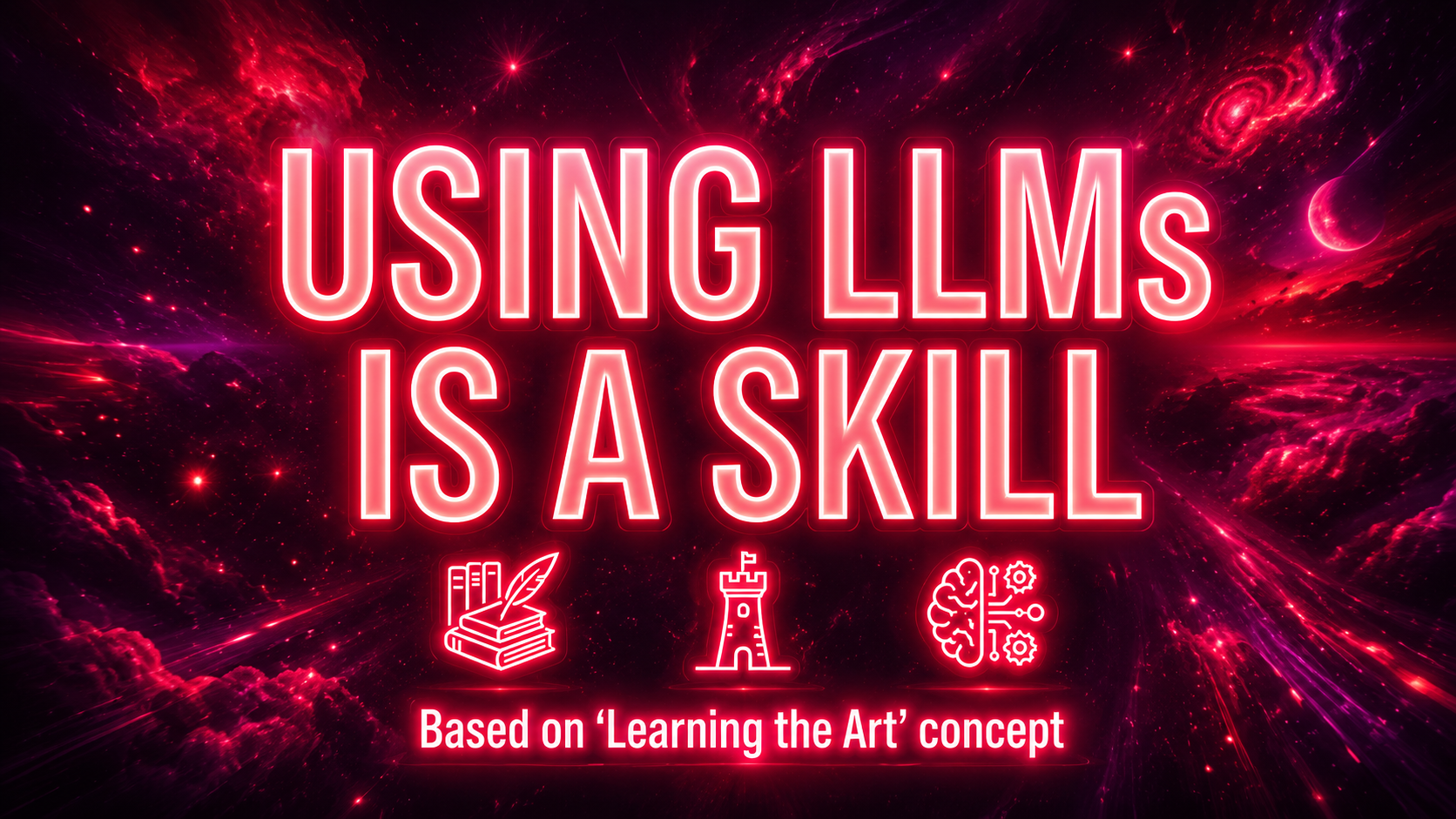
That is why using LLMs is a skill.
When you type a weak instruction, you get a weak answer.
When you type a clear instruction, give context, explain the goal, and ask for the right output, AI becomes much more useful.
For example, instead of saying:
“Write something for my business.”
You can say:
“Write a short WhatsApp message for a small plumbing business in South Africa. The message must sound professional, friendly, and must encourage customers to book a service today.”
That second instruction gives the AI direction. It gives context. It gives tone. It gives purpose.
That is the art.
AI does not replace your brain. It supports your brain.
It helps you move faster, but you still need judgment. You still need honesty. You still need local understanding. You still need to know your customer, your community, and your business.
For non-technical people, the best way to start is simple.
Use AI to rewrite your messages.
Use AI to explain things you do not understand.
Use AI to plan your day.
Use AI to create business ideas.
Use AI to prepare for meetings.
Use AI to write captions, proposals, emails, invoices, and presentations.
Use AI to learn step by step.
You do not have to become a programmer first.
You can start by learning how to communicate with AI.
That alone can change how you work.
South Africa needs more people who are not afraid of technology. We need builders, teachers, business owners, students, creatives, farmers, drivers, shop owners, and community leaders to understand that technology is not far away anymore.
It is already here.
The question is not whether AI will affect South Africa.
It already is.
The real question is: will we only consume technology, or will we learn how to use it to build?
At AfroIntelligent, we believe technology must solve real business problems. It must help people work better, communicate better, sell better, and grow better.
AI is one of the tools that can help us do that.
But only if we learn the skill.
Using LLMs is not about sounding clever.
It is about becoming more capable.
It is about taking your ideas seriously.
It is about helping ordinary South Africans compete, create, and grow in a digital world.
The people who learn this early will have an advantage.
Not because they are smarter than everyone else.
But because they are willing to learn the new language of work.
And that language is simple:
Ask better.
Think better.
Build better.
Share this article
Comments
No approved comments yet.